Bleeding gums are a common dental issue that many people experience, especially while brushing or flossing. Often, people ignore this problem thinking it is normal or temporary. However, bleeding gums can be an early warning sign of serious dental or health problems. Understanding the causes and taking timely action can help protect your oral health and prevent more severe conditions.
What Are Bleeding Gums?
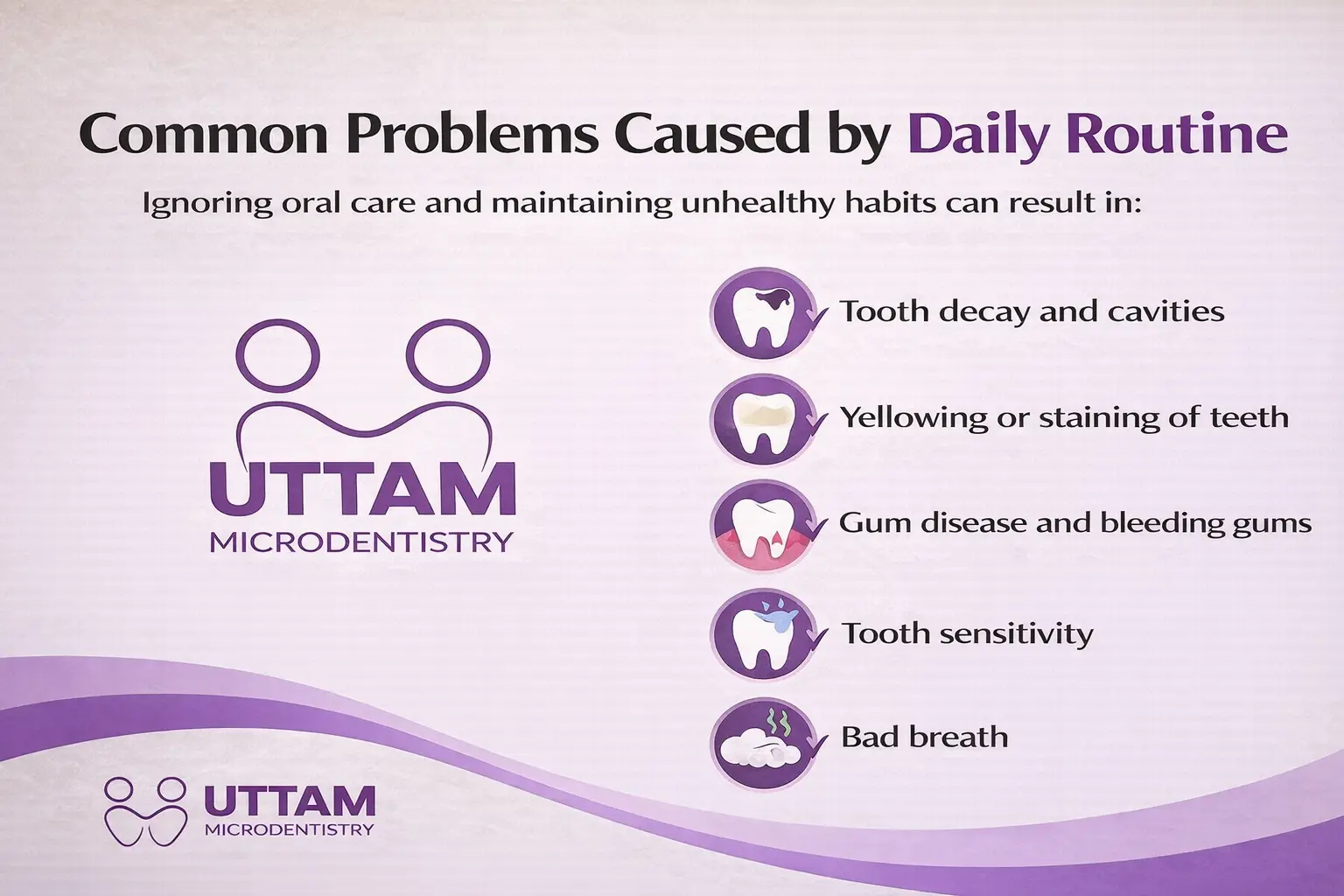
Bleeding gums occur when the soft tissue around your teeth becomes inflamed, irritated, or infected. This usually happens when plaque (a sticky layer of bacteria) builds up on teeth and gums due to poor oral hygiene.
If plaque is not removed properly through brushing and flossing, it can harden into tartar, which can lead to gum diseases.
Common Causes of Bleeding Gums
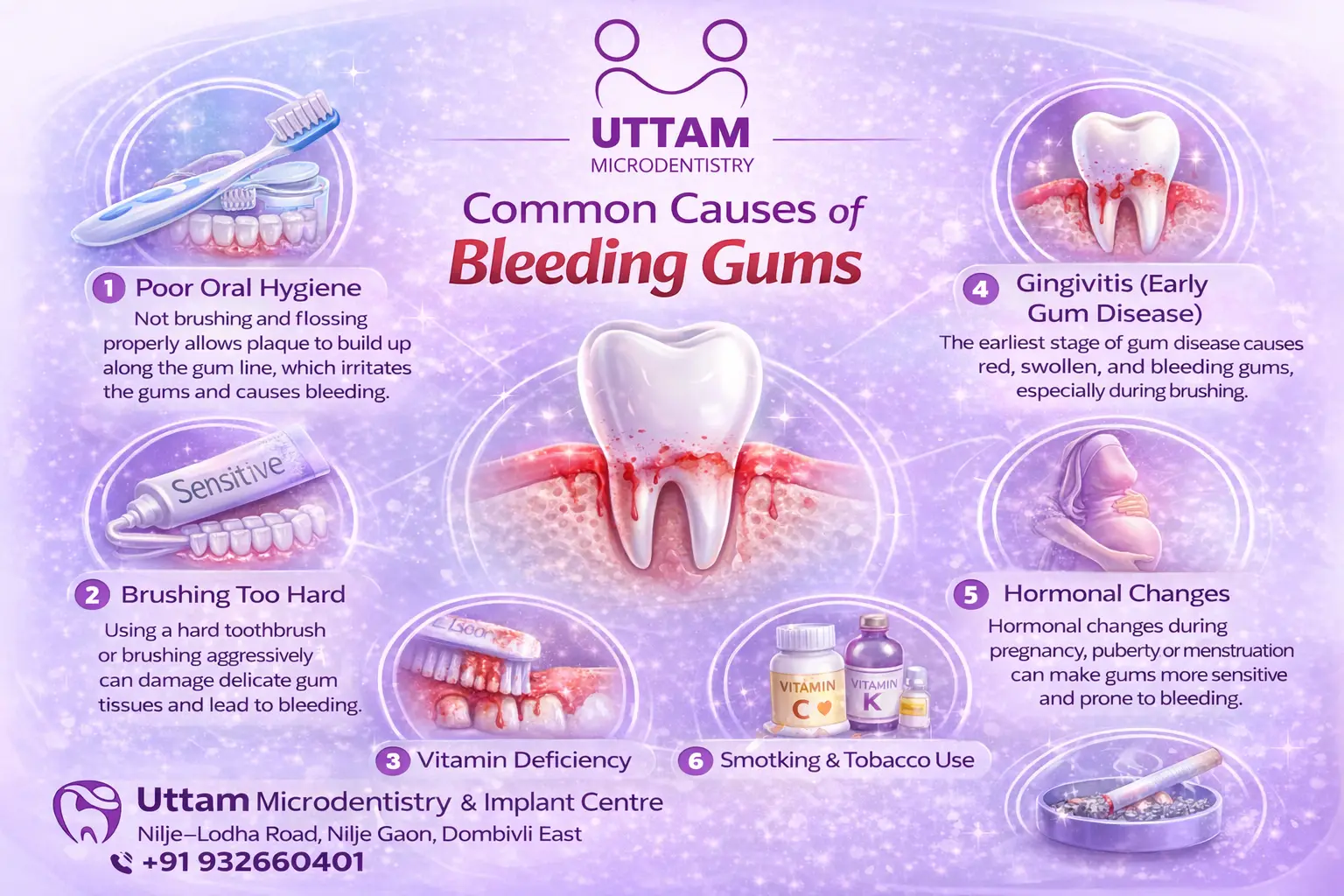
1. Poor Oral Hygiene
Not brushing or flossing regularly allows plaque to accumulate around the gum line. This irritates the gums and causes them to bleed.
2. Gingivitis (Early Gum Disease)
Gingivitis is one of the most common causes of bleeding gums. Symptoms include redness, swelling, and bleeding during brushing.
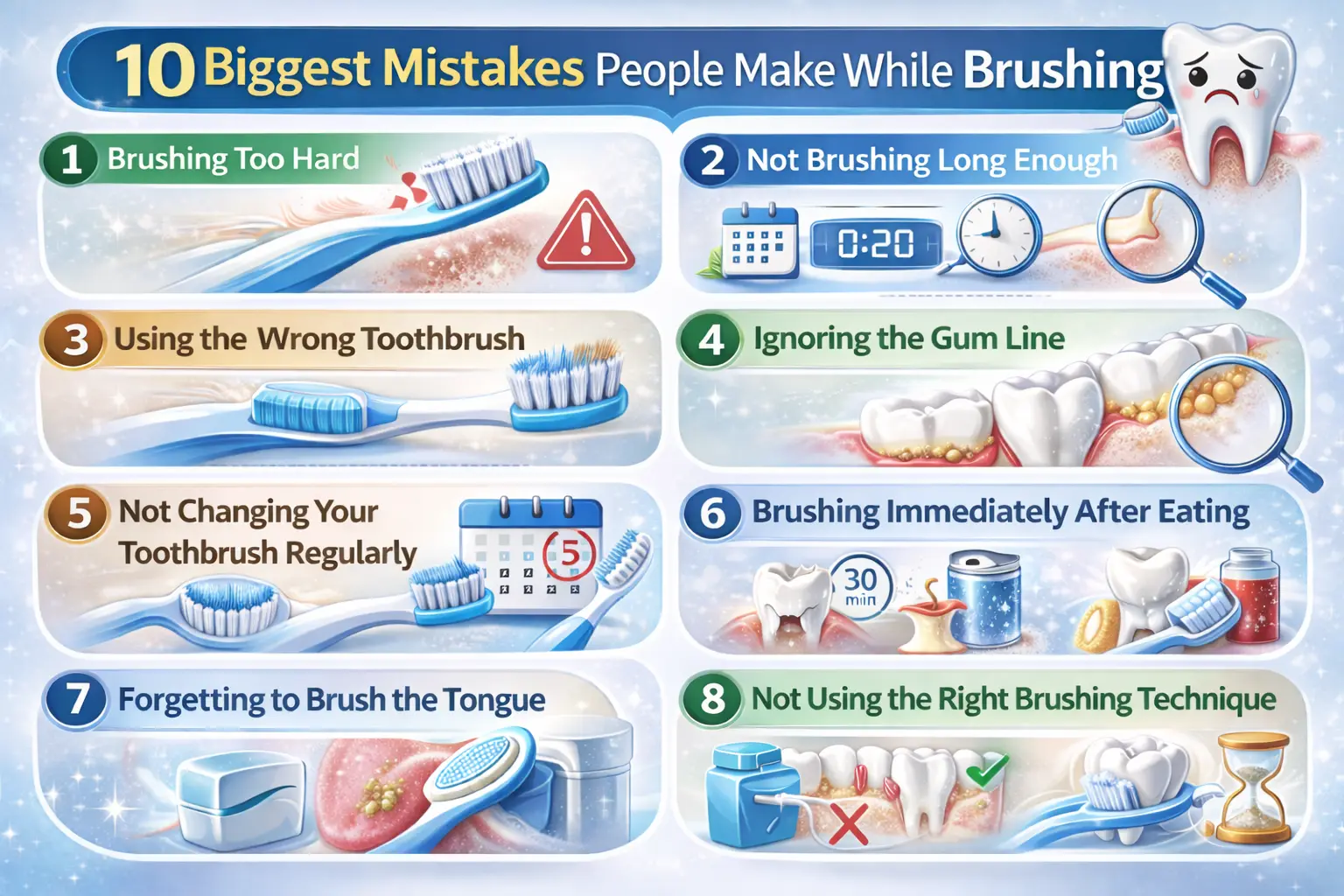
3. Brushing Too Hard
Using a hard toothbrush or brushing aggressively can damage the gums and make them bleed.
4. Vitamin Deficiency
Lack of vitamins such as Vitamin C and Vitamin K can weaken gum tissues and cause bleeding.
5. Hormonal Changes
Pregnancy, menstruation, and hormonal changes can make gums more sensitive and prone to bleeding.
6. Smoking and Tobacco Use
Tobacco weakens the immune system and damages gum tissues, increasing the risk of gum disease.
Why You Should Not Ignore Bleeding Gums
Bleeding gums might seem like a small issue, but if ignored, they can lead to serious dental problems such as:
- Periodontitis (advanced gum disease)
- Tooth loosening or tooth loss
- Bone damage around teeth
- Bad breath and gum infections
In some cases, bleeding gums can also be linked to systemic health conditions such as diabetes or weakened immunity.
Bleeding gums may seem like a minor problem, especially if it happens occasionally while brushing or flossing.
However, frequent bleeding gums can be an early warning sign of gum disease or other dental problems. If ignored for a long time, it can lead to serious oral health complications
How to Prevent Bleeding Gums
Taking proper care of your teeth and gums can help prevent bleeding and maintain healthy oral hygiene.
✔ Brush your teeth twice a day using a soft-bristled toothbrush
✔ Floss daily to remove plaque between teeth
✔ Use a medicated mouthwash recommended by your dentist
✔ Eat a balanced diet rich in vitamins
✔ Avoid tobacco and smoking
✔ Visit your dentist regularly for professional cleaning and checkups
When Should You Visit a Dentist?
You should consult a dentist if:
- Your gums bleed frequently
- Your gums appear swollen or red
- You experience persistent bad breath
- Your teeth feel loose
Early treatment can prevent gum disease from becoming severe.
Get Expert Dental Care
If you are experiencing bleeding gums or any other dental concerns, professional dental care is essential.
Uttam Microdentistry & Implant Centre provides advanced dental treatments with modern technology and a patient-friendly approach. The clinic focuses on preventive care, accurate diagnosis, and comfortable treatments to help patients maintain healthy smiles.