Brushing your teeth is one of the simplest and most important habits for maintaining good oral health. Most people brush their teeth every day, but many still make common mistakes that can harm their teeth and gums over time.
According to dental experts at Uttam Microdentistry & Implant Centre, improper brushing techniques can lead to plaque buildup, cavities, gum disease, and tooth sensitivity. Learning the correct way to brush can make a big difference in maintaining a healthy smile.
Let’s explore some of the most common brushing mistakes people make and how to avoid them.
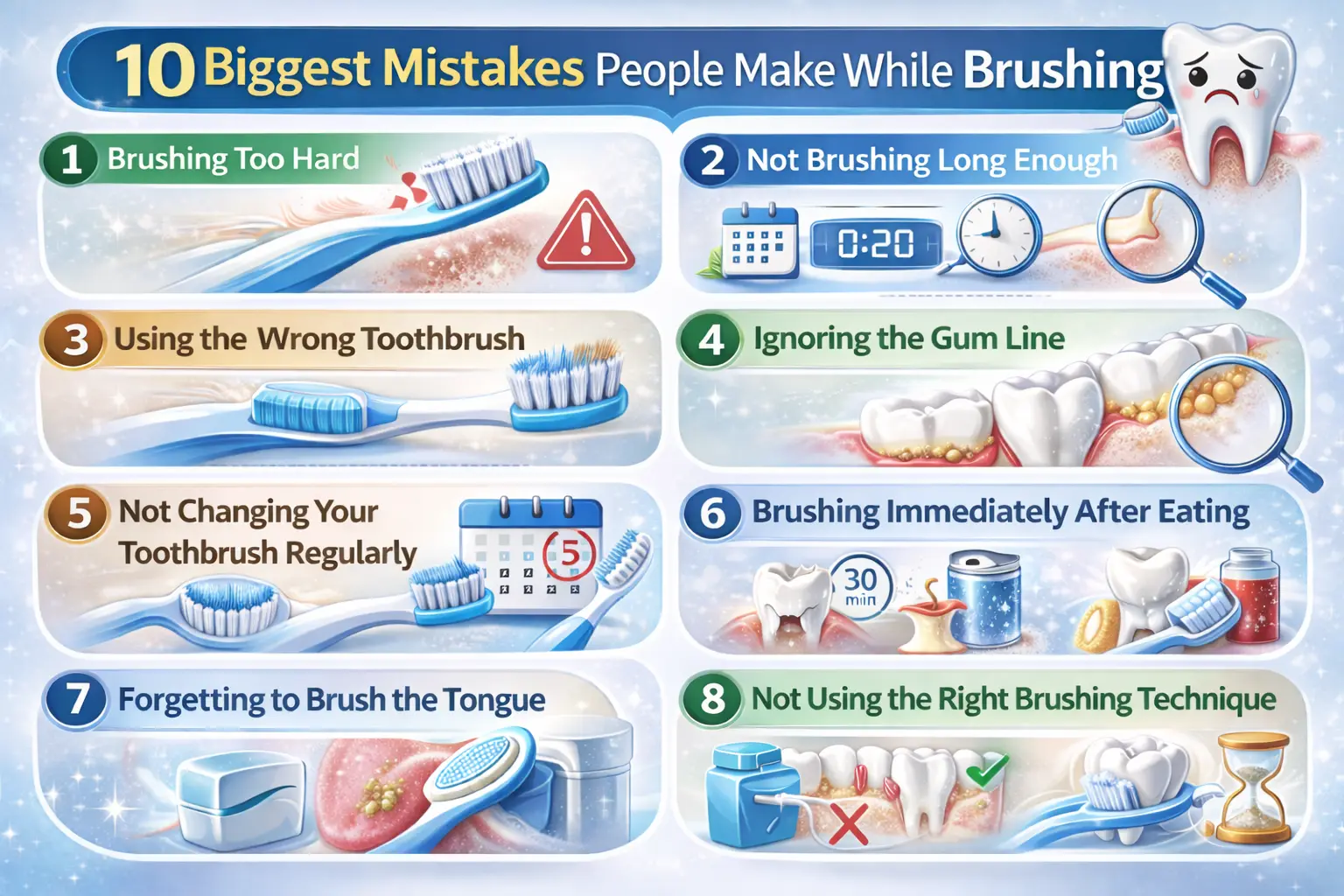
1. Brushing Too Hard
Many people believe that brushing harder will remove more plaque and make their teeth cleaner. However, brushing aggressively can actually damage the enamel (the protective outer layer of the teeth) and irritate the gums.
Over time, this can lead to gum recession and increased tooth sensitivity. Dentists recommend using a soft-bristled toothbrush and applying gentle pressure while brushing.
2. Not Brushing Long Enough
One of the most common mistakes is brushing for too little time. Many people brush their teeth for less than a minute.
Dental professionals recommend brushing for at least two minutes, twice a day. This allows enough time to clean all areas of the mouth, including the front, back, and chewing surfaces of the teeth.
3. Using the Wrong Toothbrush
Using a toothbrush with hard bristles can damage gum tissue and wear down tooth enamel. A soft-bristled toothbrush is generally the best option because it effectively removes plaque while protecting the gums.
Experts at Uttam Microdentistry & Implant Centre often advise patients to choose a toothbrush that is comfortable to hold and allows easy access to all parts of the mouth.
4. Ignoring the Gum Line
Plaque and bacteria often accumulate along the gum line, but many people focus only on the visible part of the teeth. Ignoring this area can lead to gingivitis and gum disease.
While brushing, it is important to gently clean along the gum line using small circular motions.
5. Not Changing Your Toothbrush Regularly
A worn-out toothbrush becomes less effective at cleaning teeth and can also harbor bacteria.
Dentists recommend replacing your toothbrush every three to four months, or sooner if the bristles appear frayed.
6. Brushing Immediately After Eating
Brushing right after consuming acidic foods or drinks such as citrus fruits, soda, or coffee can damage the enamel because the enamel becomes temporarily softened.
It is better to wait about 30 minutes after eating before brushing your teeth.
7. Forgetting to Brush the Tongue
Many people forget that bacteria can also accumulate on the tongue. This can cause bad breath and bacterial buildup in the mouth.
Gently brushing your tongue or using a tongue cleaner can help remove bacteria and keep your breath fresh.
8. Not Using the Right Brushing Technique
Brushing with a back-and-forth scrubbing motion can damage the gums and enamel. Instead, dentists recommend using small circular motions and brushing at a 45-degree angle to the gums.
This technique helps remove plaque more effectively while protecting the gum tissue.
Tips for Proper Brushing
To maintain strong teeth and healthy gums, follow these simple tips:
✔ Brush twice a day for at least two minutes
✔ Use a soft-bristled toothbrush
✔ Brush gently using circular motions
✔ Clean along the gum line carefully
✔ Floss daily to remove plaque between teeth
✔ Replace your toothbrush regularly
✔ Visit your dentist for routine checkups
Maintain a Healthy Smile with Expert Dental Care
Proper brushing habits play an important role in preventing dental problems. However, professional dental care is also essential to maintain long-term oral health.
At Uttam Microdentistry & Implant Centre, patients receive expert dental care using modern techniques and advanced technology. The clinic focuses on preventive care, early diagnosis, and comfortable treatments to help patients achieve healthy and confident smiles.